

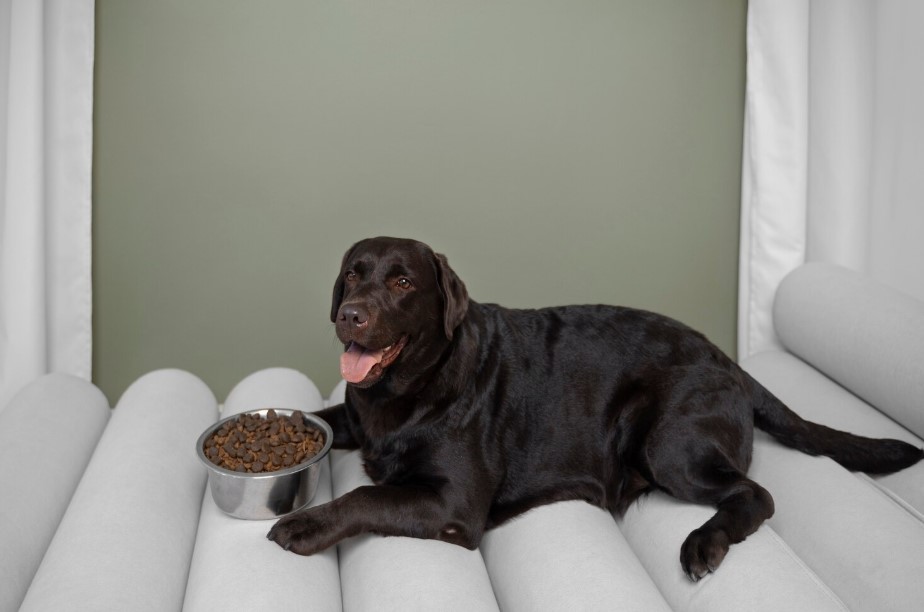
The right large breed dog food supports steady growth, healthy bones, strong muscles, and proper weight management in bigger dogs. Large dogs have different nutritional needs compared with small and medium breeds because their bodies grow for a longer period and put more stress on their joints.
Choosing the best diet for a large dog is not only about feeding more food. Big dogs need carefully balanced nutrition, especially during puppy growth, to avoid excessive weight gain and support healthy development.
The best large breed dog food should provide complete and balanced nutrition with appropriate calories, quality protein, controlled minerals, and nutrients that support an active lifestyle.
Why Do Large Breed Dogs Need Special Food?
Large breed dogs need specially designed nutrition because their growth patterns are different from smaller dogs. Breeds such as Labrador Retrievers, German Shepherds, Golden Retrievers, Great Danes, and Mastiffs grow rapidly during puppyhood and can reach significant adult weights.
Large dogs typically:
-
Grow for a longer period
-
Carry more body weight on their joints
-
Need controlled calorie intake during development
-
Require balanced mineral levels for bone growth
The goal of Dog food for large breeds is not to make puppies grow as quickly as possible. Healthy growth means gradual development that allows bones, muscles, and joints to develop properly.
The Association of American Feed Control Officials (AAFCO) includes specific nutrient considerations for foods intended for large-size dogs because improper nutrition during growth can affect skeletal development.
What Makes the Best Large Breed Dog Food?
The best large breed dog food should provide the right balance of nutrients rather than simply higher amounts of everything.
Important factors include:
-
Controlled calories
-
High-quality protein
-
Balanced calcium and phosphorus
-
Appropriate fat levels
-
Essential fatty acids
-
Nutrients that support overall joint health
Large dogs do not automatically need the highest protein food available. They need a complete diet that matches their growth stage, activity level, and body condition.
Why Is Controlled Growth Important for Large Breed Puppies?
Controlled growth means allowing puppies to develop at a healthy rate instead of encouraging rapid weight gain.
Rapid growth can place extra stress on developing bones and joints.
For example:
A Great Dane puppy gaining weight too quickly may put additional pressure on developing joints because its skeleton is still maturing.
A Labrador Retriever puppy that becomes overweight during growth may also experience increased stress on its joints.
The goal is maintaining a healthy body condition while providing enough nutrition for normal development.
What Nutrients Should Large Breed Dog Food Include?
A balanced large breed dog food should provide several important nutrients.
Protein for Muscle Development
Protein helps build and maintain muscles, tissues, and normal body functions.
Large dogs need strong muscles because their bodies carry more weight.
Good protein sources may include:
-
Chicken
-
Turkey
-
Beef
-
Fish
-
Lamb
-
Eggs
However, protein quality and overall nutrient balance matter more than choosing a food based only on protein percentage.
Calcium and Phosphorus for Bone Development
Calcium and phosphorus are important minerals for building bones and teeth.
However, balance is critical.
Too much calcium during large breed puppy growth can create nutritional problems because developing bones cannot always regulate excess minerals effectively.
This is why large breed puppy formulas are designed differently from regular puppy formulas.
Fat and Calories for Energy
Fat provides concentrated energy and supports the absorption of fat-soluble vitamins.
However, large dogs generally need controlled calorie intake because excess calories can contribute to unnecessary weight gain.
A heavy puppy does not necessarily mean a healthy puppy.
Healthy growth should focus on body condition rather than size alone.
Omega Fatty Acids for Skin and Coat Health
Omega-3 and omega-6 fatty acids support:
-
Healthy skin
-
Coat condition
-
Normal inflammation response
Fish oils are common sources of omega-3 fatty acids in many dog foods.
How Do You Choose Dog Food for Large Breeds?
Choosing Dog food for large breeds requires looking beyond the breed name on the packaging.
Consider these factors:
Check the Life Stage
Large breed puppies should eat food designed for growth.
Adult large dogs should transition to adult maintenance formulas when they reach maturity.
Large breeds often mature later than smaller dogs.
For example:
A Chihuahua may reach adult size within the first year, while a Great Dane or Mastiff may continue developing beyond that period.
Consider Your Dog’s Activity Level
Not every large dog needs the same amount of calories.
A working German Shepherd may require more energy than a relaxed senior Labrador living in an apartment.
Energy needs depend on:
-
Exercise
-
Age
-
Body condition
-
Metabolism
-
Health status
The Merck Veterinary Manual explains that energy requirements vary depending on activity level, age, body size, reproductive status, and environmental conditions.
Monitor Body Condition
Weight alone does not tell the complete story.
A healthy large dog should generally have:
-
A visible waist from above
-
Ribs that can be felt without excessive pressure
-
Normal movement and energy
A 90-pound athletic German Shepherd and a 90-pound overweight Labrador have the same weight but very different body conditions.
Do Large Dogs Need Joint Supplements?
Large dogs often receive joint-support ingredients because their size puts additional stress on their joints.
Common ingredients found in joint-support formulas include:
-
Glucosamine
-
Chondroitin
-
Omega-3 fatty acids
However, joint supplements and ingredients do not replace proper weight management.
Maintaining a healthy body weight is one of the most important factors for supporting mobility.
For example:
A 100-pound dog carrying an extra 10 pounds puts additional stress on its joints every day. Reducing unnecessary weight can support easier movement.
Is Grain-Free Food Good for Large Breed Dogs?
Large dogs do not automatically need grain-free diets.
The FDA investigated reports of canine dilated cardiomyopathy (DCM) associated with certain diets, many of which were labeled grain-free. However, the FDA has stated that the relationship is still under investigation and that a direct cause has not been confirmed.
Choosing a food should be based on complete nutrition rather than trends.
A large breed dog without a medical reason to avoid certain ingredients may do well on a properly formulated diet containing grains.
How Much Food Should Large Dogs Eat?
The correct feeding amount depends on:
-
Current weight
-
Target weight
-
Age
-
Activity level
-
Calorie density of the food
Feeding recommendations on packaging are starting points.
For example:
A 75-pound adult Golden Retriever that exercises daily may need more calories than a 75-pound Golden Retriever that has a lower activity level.
Owners should adjust portions based on body condition.
When Should Large Breed Puppies Switch to Adult Food?
Large breed puppies should transition to adult food when they reach physical maturity.
The timing varies by breed.
Small dogs may mature quickly, while giant breeds often take longer.
Examples:
-
Labrador Retriever: often around 12 to 18 months
-
German Shepherd: often around 18 months
-
Great Dane: may continue growing beyond 18 months
The transition should be based on breed size, growth pattern, and veterinarian guidance.
Common Large Breed Feeding Mistakes
Feeding Too Many Calories
More food does not always mean better growth.
Extra calories can lead to excess weight gain.
Adding Calcium Supplements Without Advice
Balanced large breed puppy food already contains appropriate mineral levels.
Extra supplements can disturb nutritional balance.
Ignoring Exercise
Nutrition and activity work together.
Large dogs need regular movement to maintain healthy muscles and body condition.
Choosing Food Only Because of Marketing
Words like:
-
Premium
-
Natural
-
Superfood
-
Holistic
do not automatically guarantee better nutrition.
Look at the complete formula.
How Should You Switch to a New Large Breed Dog Food?
A gradual transition is usually recommended.
Example schedule:
Days 1–2: 75% old food, 25% new food
Days 3–4: 50% old food, 50% new food
Days 5–6: 25% old food, 75% new food
Day 7: 100% new food
Some dogs may need a slower transition.
Monitor:
-
Stool quality
-
Appetite
-
Weight changes
-
Energy levels
Frequently Asked Questions About Large Breed Dog Food
What is the best large breed dog food?
The best large breed dog food is a complete and balanced formula designed for large dogs and matched to their life stage, activity level, and health needs. It should provide controlled calories and balanced nutrients.
Do large breed puppies need special food?
Yes. Large breed puppies benefit from formulas designed to support controlled growth with appropriate calorie and mineral levels. Regular puppy food may not always provide the same nutritional balance.
Can large dogs eat regular dog food?
Some adult large dogs can eat regular adult maintenance food if it meets their nutritional needs. However, large breed formulas may provide practical benefits such as appropriate calorie density and kibble size.
Does large breed dog food prevent joint problems?
Large breed dog food supports healthy growth and weight management, but it cannot guarantee prevention of joint problems. Maintaining a healthy weight is one of the most important factors for joint support.
How much should a large breed dog eat?
The correct amount depends on body weight, activity level, age, metabolism, and the calorie content of the food. Feeding guidelines should be adjusted based on your dog’s body condition.
